Everything You Need to Know About Grain Bins
Grain bins are a critical part of modern farming operations. They give producers a secure place to store harvested crops, protect grain quality, improve marketing flexibility, and reduce the pressure to sell immediately after harvest. Whether you operate a small family farm or manage thousands of acres, choosing dependable grain bin products can help you make better use of your harvest and prepare for changing market conditions.
Although grain bins may look simple from the outside, they are carefully designed systems that require proper sizing, ventilation, loading, unloading, monitoring, and maintenance. Choosing the wrong bin or failing to manage stored grain correctly can lead to spoilage, insect activity, structural damage, and serious safety risks.
This guide explains how grain bins work, the different types available, their major components, important safety practices, and the factors farmers should consider before investing in on-farm storage.
What Is a Grain Bin?
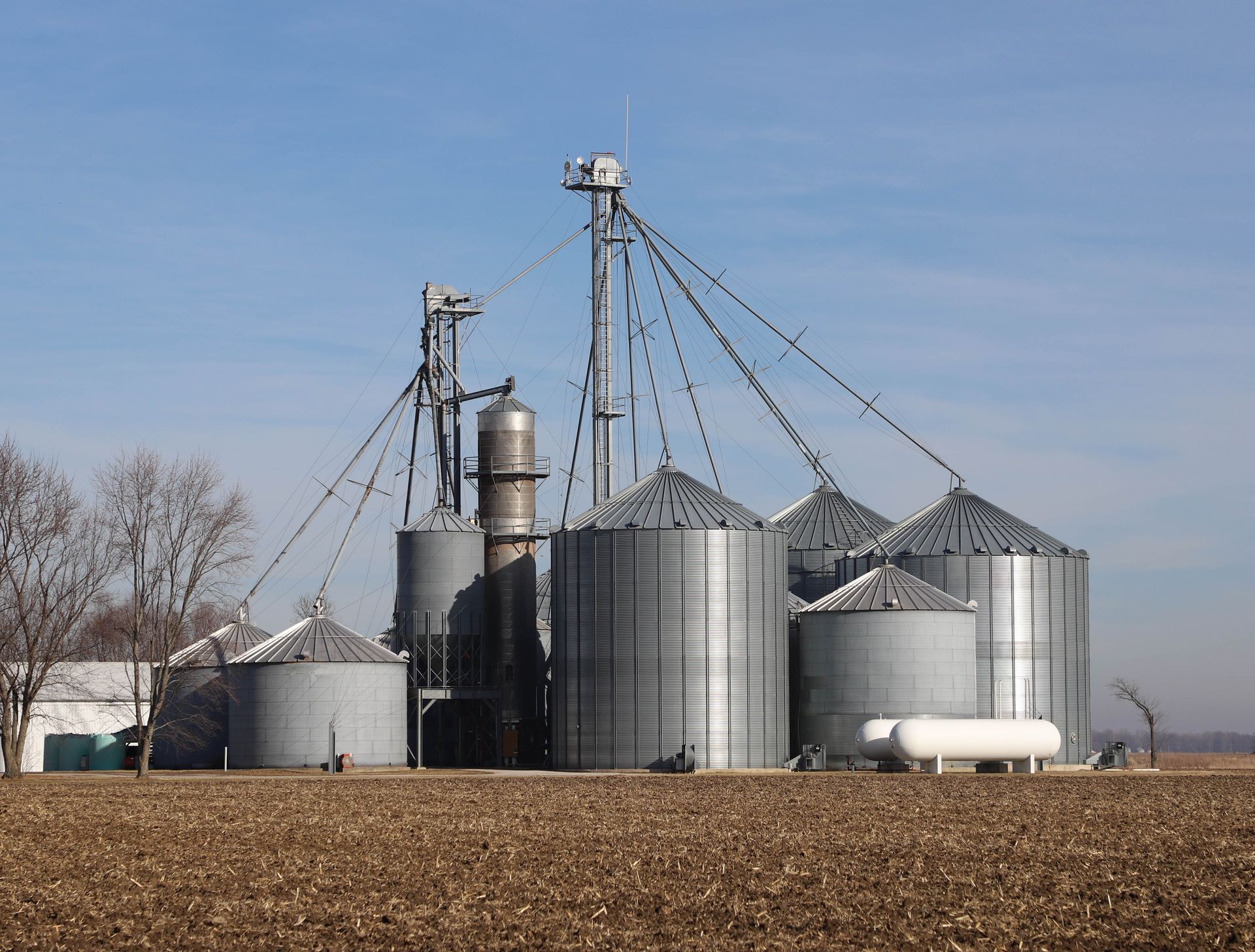
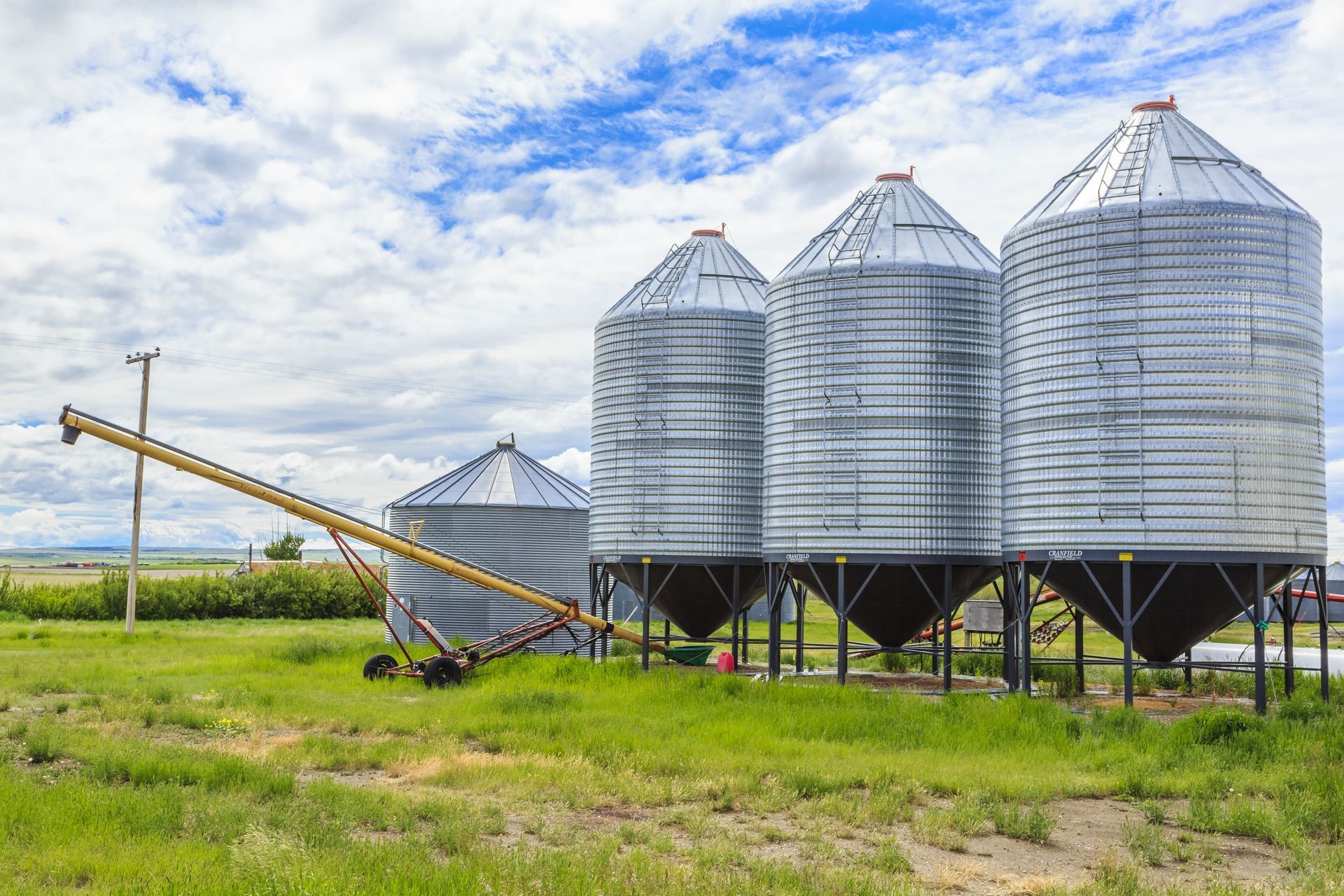
A grain bin is a large structure designed to store dry agricultural commodities such as corn, wheat, soybeans, barley, oats, rice, and sorghum. Most grain bins are round, made from corrugated galvanized steel, and topped with a cone-shaped roof.
Unlike silos, which are often used to store fermented livestock feed, grain bins are primarily intended for dry grain. The two structures may look similar from a distance, but they serve different purposes and use different storage methods.
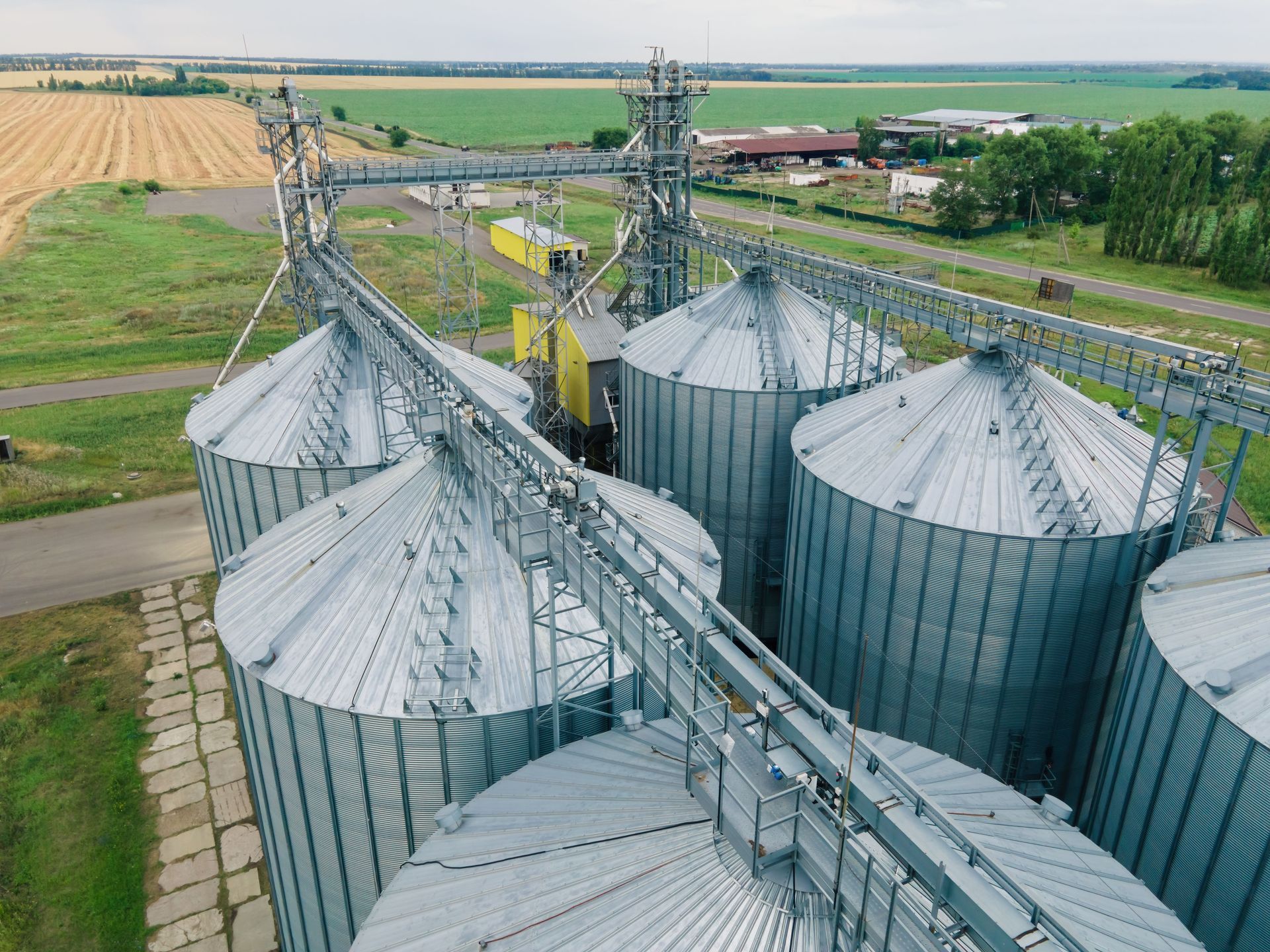
Grain bins can range from relatively small units holding a few thousand bushels to commercial-scale systems capable of storing hundreds of thousands of bushels. A farm may use one large bin or several connected bins, depending on its crop volume, grain varieties, drying needs, and marketing strategy. The variety of available grain bin products makes it possible to design a storage system around the specific needs of an operation.
Why Farmers Use Grain Bins
One of the main benefits of a grain bin is greater control over when grain is sold. Farmers without on-site storage may need to transport and sell crops immediately after harvest, even when local elevators are busy or market prices are low.
On-farm storage allows producers to hold grain until pricing conditions improve. According to Southern AG Today, on-farm grain bins let farmers earn up to 25% more by selling corn in June instead of October. Although actual results depend on market conditions, transportation expenses, storage losses, and operating costs, the example shows how storage can influence farm revenue.
Grain bins may also help farmers reduce harvest delays, avoid long elevator lines, separate grain by crop or grade, store feed for livestock, improve transportation scheduling, preserve grain for future contracts, take advantage of seasonal price changes, manage grain drying more efficiently, and maintain greater control over crop quality.
The value of a grain bin is not limited to storage capacity. When combined with the right grain bin products, it can become an important part of a farm’s harvesting, handling, drying, and marketing system.
Common Types of Grain Bins
Grain bins come in several configurations. Each design is suited to different storage volumes, unloading methods, budgets, and operational goals. Understanding the differences can help farmers select a system that matches their current production and future plans.
Flat-Bottom Grain Bins
Flat-bottom bins are among the most common options on farms. They are built on a concrete foundation and typically include a flat or perforated floor.
These bins are well suited for long-term grain storage. Many are equipped with aeration fans, floor ducts, temperature cables, sweep augers, and unloading systems. Because grain does not flow completely out of a flat-bottom bin on its own, a sweep auger is often used to move the remaining grain toward the center unloading sump.
Flat-bottom bins offer substantial storage capacity and can be incorporated into larger grain-handling systems. Farmers can select grain bin products such as fans, augers, floor systems, and monitoring devices to improve the efficiency of these structures.
Hopper-Bottom Grain Bins
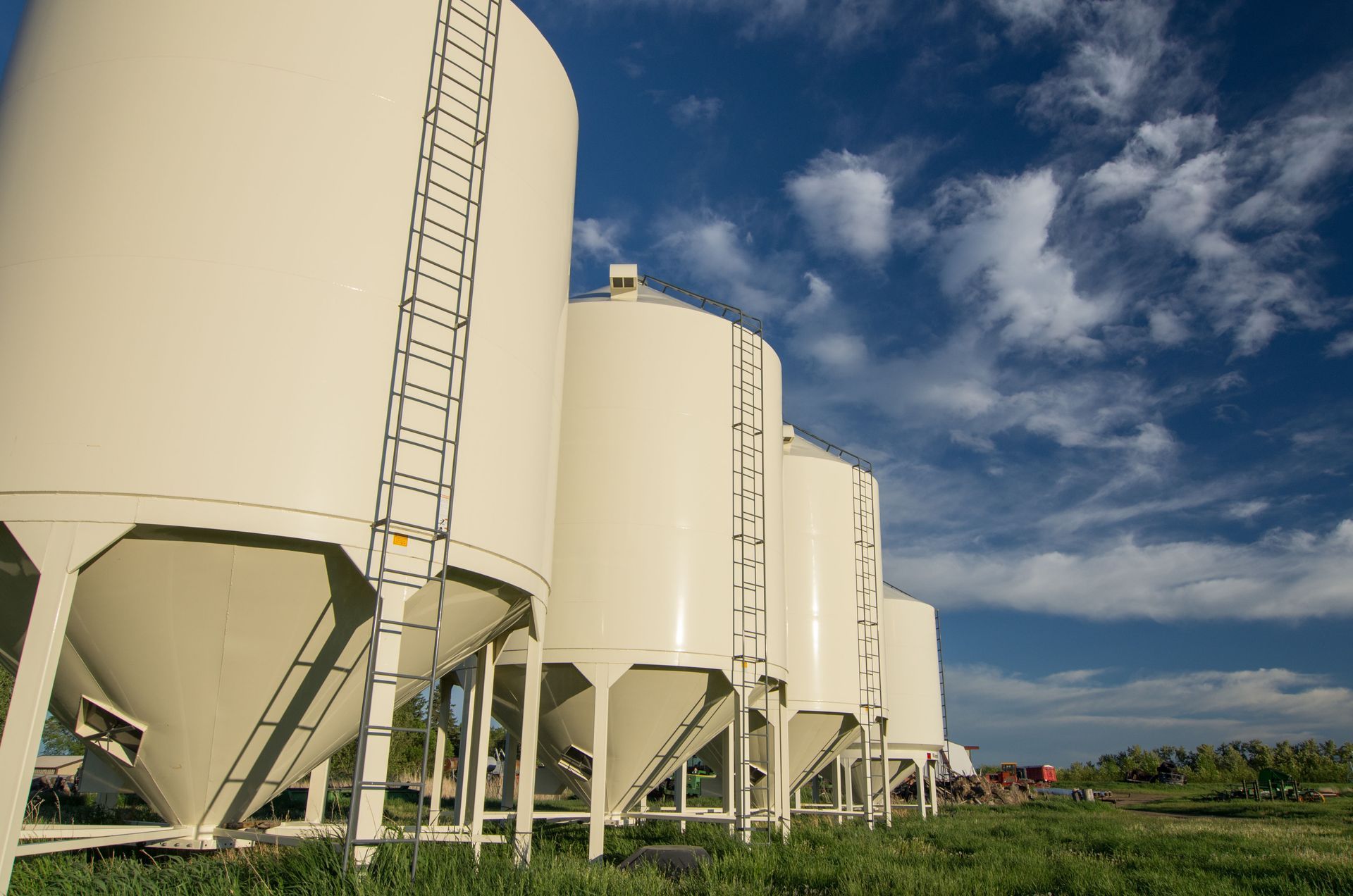
Hopper-bottom bins have a cone-shaped bottom that allows grain to flow downward toward a central discharge point. They are often elevated on steel supports and are useful for temporary storage, feed storage, seed handling, and operations that require frequent grain movement.
Because gravity assists with unloading, hopper-bottom bins can reduce the amount of grain left behind. They are especially convenient for smaller batches, specialty grains, and livestock operations.
However, hopper-bottom bins generally cost more per bushel of storage than flat-bottom models. Their elevated design also requires careful engineering and foundation preparation to support the weight of the structure and its contents.
Corrugated Steel Grain Bins
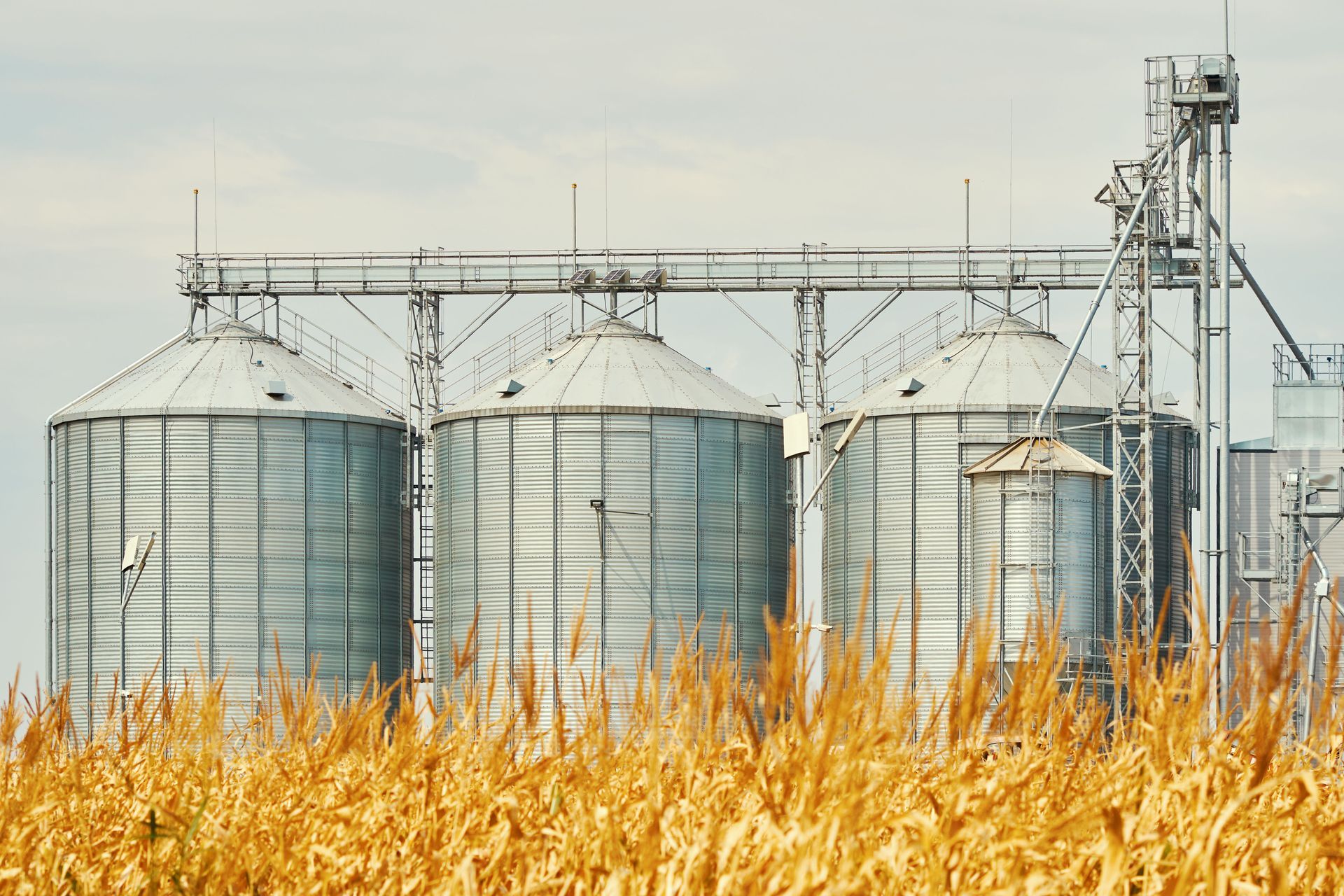
Corrugated steel is widely used for grain bin construction because it offers strength, durability, and resistance to weather. The corrugated pattern increases structural stability and helps the bin withstand pressure from the stored grain.
Steel bins are available in many diameters and heights. They can often be expanded or connected to additional handling equipment as a farming operation grows. The modular nature of many grain bin products gives producers greater flexibility when planning future storage capacity.
Smooth-Wall Bins
Smooth-wall bins are commonly used for feed, seed, fertilizer, and smaller quantities of grain. Their interior surfaces reduce places where material can collect, which can make unloading and cleaning easier.
These bins are often used when frequent product changes are expected. Depending on their design and protective coating, they may also offer added corrosion resistance and simplified sanitation.
Temporary Grain Storage Systems
During high-yield seasons, permanent storage capacity may not be enough. Temporary systems, including grain bags and covered outdoor storage areas, may provide additional space.
Temporary storage can be useful, but it requires careful site preparation, moisture control, pest management, and regular monitoring. It generally presents more risks than a properly designed permanent bin, especially when grain must remain in storage for an extended period.
Major Parts of a Grain Bin
A grain bin operates as a complete system rather than as a single structure. Understanding its major components helps farmers recognize maintenance needs, identify possible problems, and select grain bin products that can improve storage performance.
Bin Walls
The corrugated steel walls contain the grain and carry significant internal pressure. Lower wall sheets are typically thicker because they support more weight than the sections near the top of the bin.
Loose bolts, corrosion, dents, cracks, or damaged panels can weaken the structure. Wall inspections should be part of routine maintenance, particularly before a bin is filled for the season.
The Roof
The roof protects stored grain from rain, snow, debris, and direct exposure to the elements. Roof vents allow warm, moist air to escape during aeration.
Roof damage or blocked vents can contribute to moisture problems inside the bin. Farmers should check roof panels, seals, vents, access openings, and fasteners regularly to reduce the risk of leaks.
Grain bins support far more than basic crop storage. They can improve harvest efficiency, create marketing flexibility, protect grain quality, and help farms manage transportation and labor more effectively.
The best results come from selecting the right bin, preparing the site properly, drying grain to an appropriate moisture level, maintaining steady airflow, and monitoring conditions throughout the storage period.
Safety must remain the highest priority. Flowing grain, mechanical equipment, grain dust, confined spaces, electrical systems, and structural pressure can create life-threatening hazards. Clear procedures, proper training, and regular equipment maintenance are essential.
When a grain bin is carefully planned, equipped with suitable grain bin products, and properly managed, it can become one of the most useful long-term assets on a farming operation. To learn more, reach out to Midwest Grain Bins LLC.

Share On: