How to Upgrade Your Farm Equipment for Better Productivity
Farm productivity depends on more than the number of acres under cultivation or the hours spent in the field. Reliable machinery, efficient workflows, and well-planned investments all contribute to a successful operation. As farming demands change, upgrading equipment can help agricultural businesses reduce downtime, improve consistency, and make better use of available resources. However, not every upgrade requires purchasing an entirely new machine. Evaluating current equipment, identifying operational bottlenecks, and prioritizing improvements can help farmers build a practical upgrade strategy that supports both immediate needs and long-term goals.
Agricultural operations vary in size, production methods, and financial resources, so the right approach depends on individual circumstances. Some farms may benefit most from improved storage systems, while others may need updated machinery, precision technology, or better maintenance practices. Understanding these options makes it easier to invest strategically and improve daily performance without creating unnecessary expenses.
Evaluate Current Equipment Performance
Before investing in upgrades, farmers should assess how existing machinery performs throughout the growing season. Equipment that frequently breaks down, consumes excessive fuel, or struggles to complete tasks efficiently may be limiting overall productivity. Reviewing maintenance records, repair expenses, operating hours, and recurring performance issues can reveal which machines deserve immediate attention.
A practical evaluation should also consider how different machines work together. A high-capacity combine, for example, may offer limited benefits if grain transportation or unloading cannot keep pace during harvest. Identifying these operational bottlenecks helps farmers determine whether replacing a machine, improving an attachment, or adjusting the workflow would provide the greatest improvement.
The condition of farm equipment should guide upgrade decisions rather than age alone. Some older machines remain dependable when properly maintained, while newer models may introduce features that significantly improve efficiency. Comparing actual operating costs with expected upgrade benefits provides a clearer basis for deciding when replacement makes financial sense.
Prioritize Upgrades That Save Time
Time management is essential during planting, harvesting, and other periods when weather conditions can quickly change operating plans. Equipment that completes tasks faster or reduces unnecessary movement can help farmers make better use of favorable field conditions. Improvements might include wider implements, more efficient unloading systems, or attachments designed to perform multiple tasks during a single pass.
However, greater capacity does not automatically translate into better productivity. Farmers should consider field conditions, available labor, transportation capabilities, and the pace of other operations before purchasing larger machinery. An upgrade is most useful when it improves the performance of the entire workflow rather than creating delays elsewhere.
Efficiency improvements can also come from simplifying routine processes. Organizing tools, standardizing equipment preparation, and positioning frequently used supplies near work areas can reduce wasted time. These adjustments may require relatively little investment while helping employees complete daily responsibilities more consistently.
Explore Modern Precision Technology
Precision agriculture technology gives farmers additional ways to monitor operations and make informed decisions. Depending on the system, available features may include GPS guidance, automated steering, field mapping, yield monitoring, and variable-rate application capabilities. These tools can help operators work more accurately, reduce unnecessary overlaps, and apply certain inputs according to field conditions.
When evaluating technology for farm equipment, compatibility should be a primary consideration. Some upgrades can be installed on existing machinery, while others require specific hardware, software, or communication systems. Farmers should verify that new components will work with their current equipment and that the necessary technical support is available before making a purchase.
Training is equally important because technology only delivers value when operators understand how to use it effectively. Employees may need instruction on interpreting data, configuring equipment, troubleshooting errors, and maintaining digital systems. Starting with a clearly defined operational goal can make adoption easier and help determine whether the technology delivers measurable benefits.
Improve Equipment Maintenance Practices
Preventive maintenance can protect equipment investments and reduce the likelihood of unexpected interruptions. Regular inspections, lubrication, fluid checks, filter replacement, and timely servicing help keep machinery operating according to manufacturer recommendations. Maintenance schedules should reflect operating conditions, usage intensity, and the specific requirements of each machine.
Farmers can improve consistency by maintaining detailed service records. Tracking repairs, replacement parts, inspection results, and recurring mechanical issues helps identify patterns that might otherwise go unnoticed. These records can also support budgeting by showing which machines require frequent attention and which remain economical to operate.
Seasonal preparation deserves particular attention because equipment failures during critical agricultural periods can disrupt several connected tasks. Inspecting machinery before planting or harvest provides an opportunity to address worn components, test systems, and confirm that necessary supplies are available. Keeping essential replacement parts accessible may further reduce delays when minor problems arise.
Strengthen Storage and Material Handling
Productivity depends on how efficiently harvested crops, feed, supplies, and other materials move through an operation. Poor storage arrangements can create unnecessary handling, increase the risk of product damage, and make inventory management more difficult. Evaluating storage capacity and material flow can reveal opportunities to improve organization and reduce labor demands.
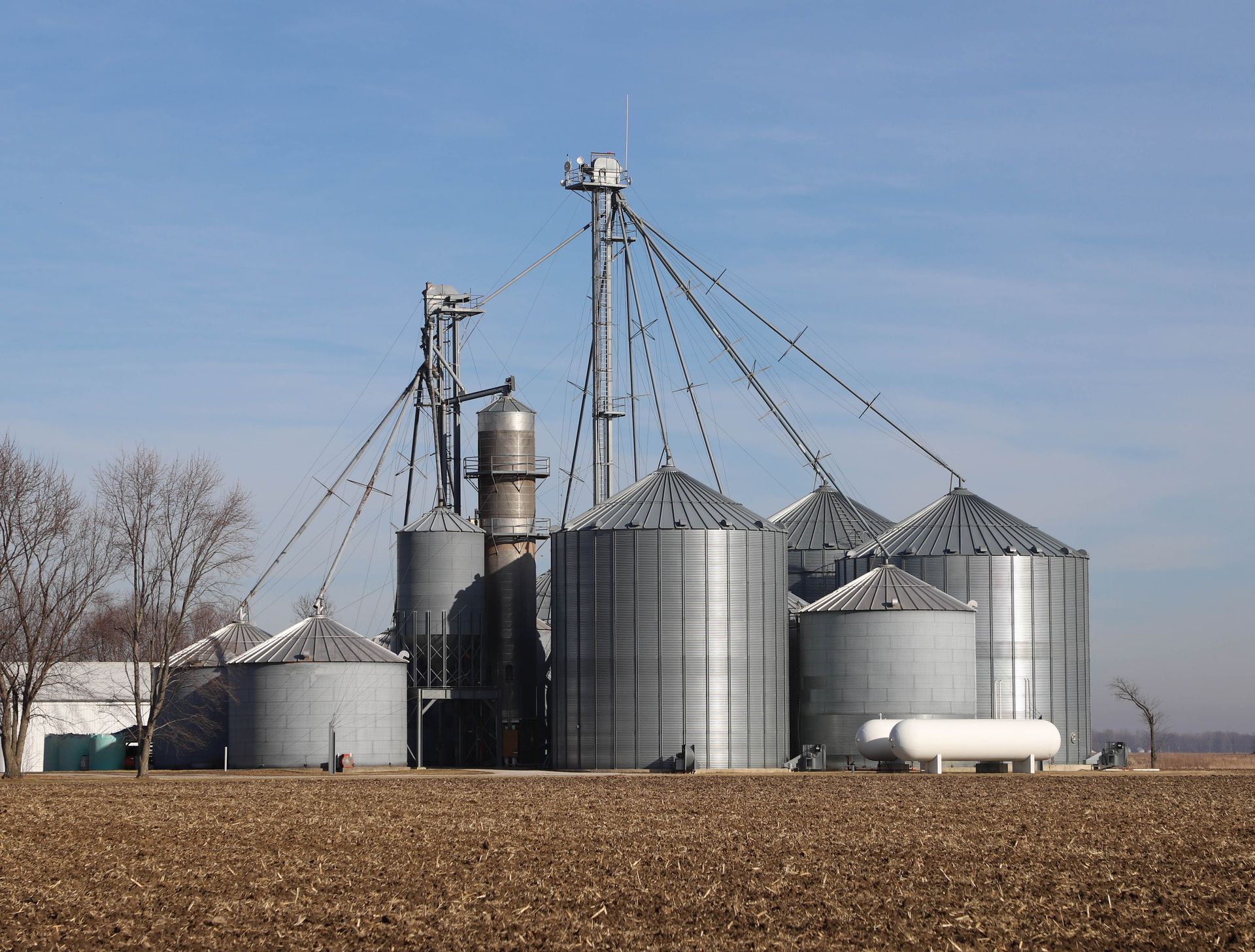
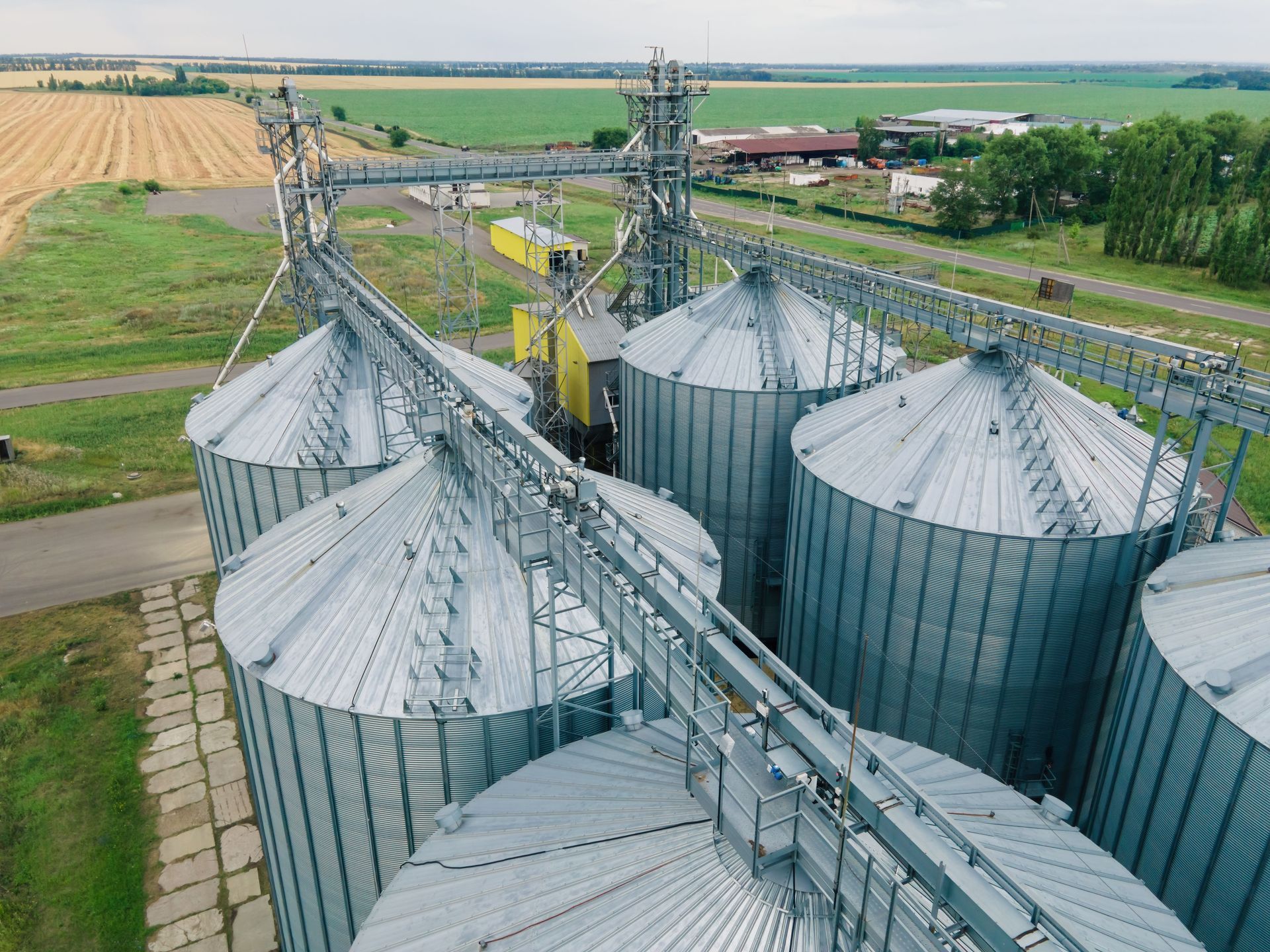
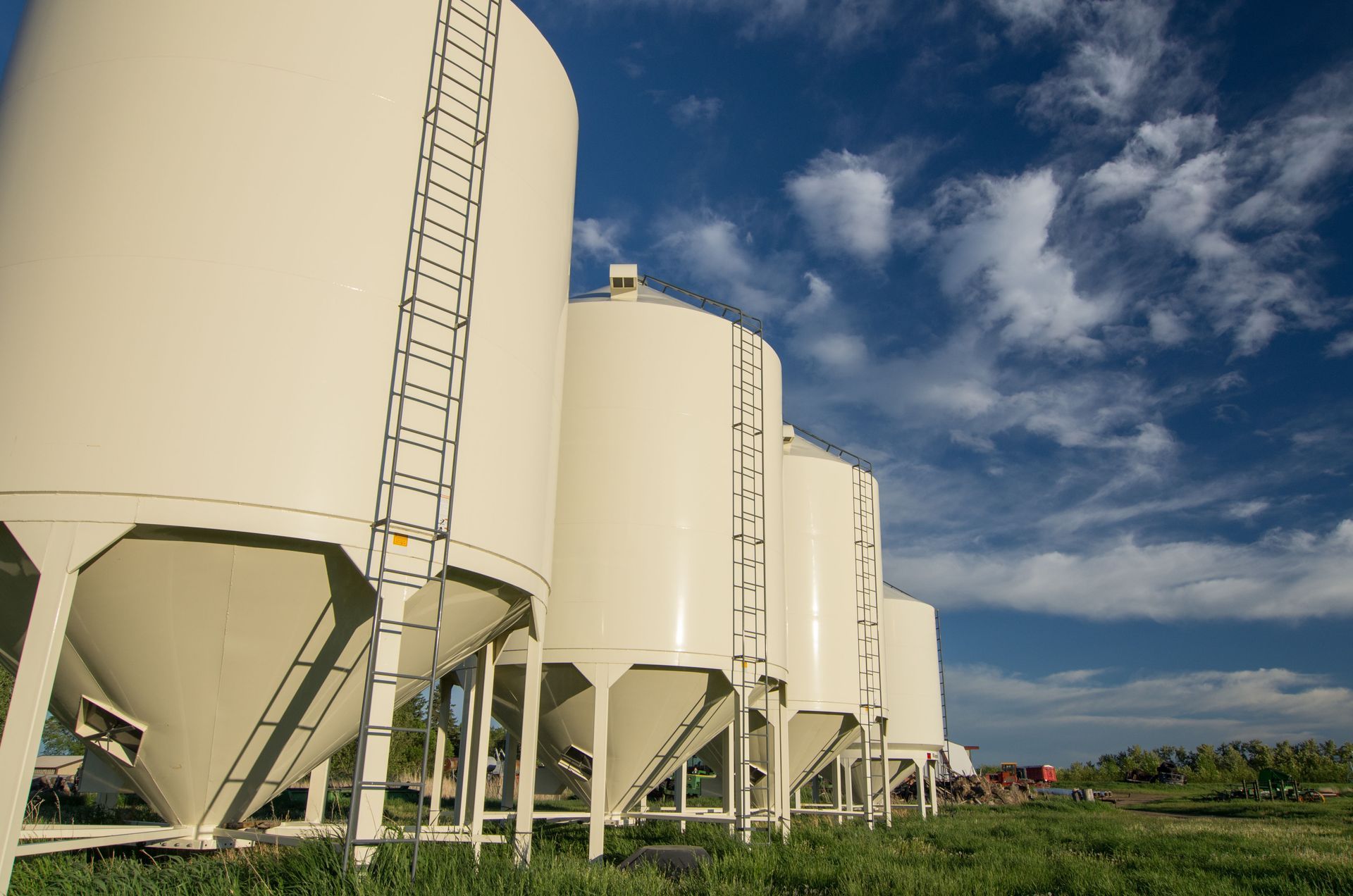
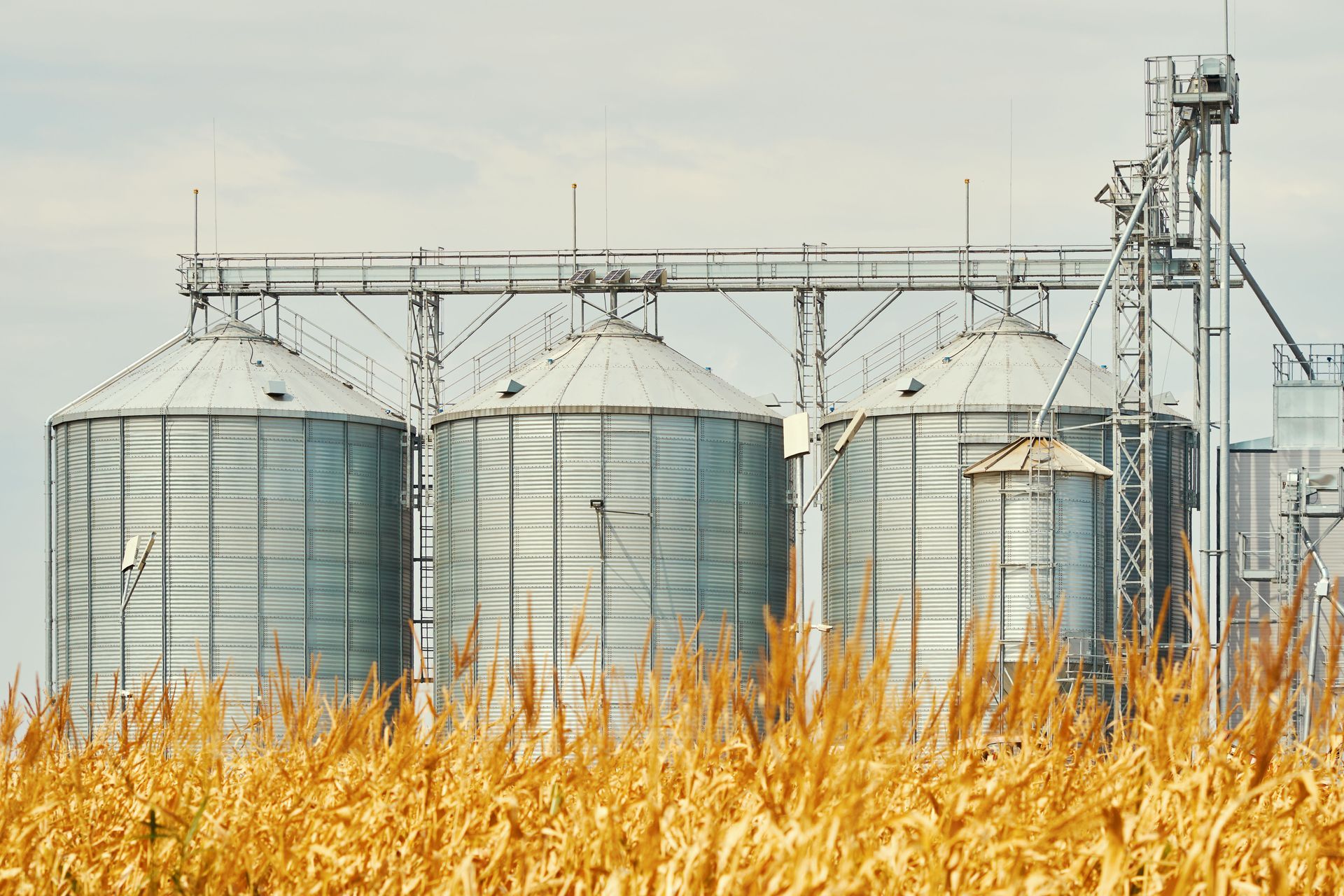
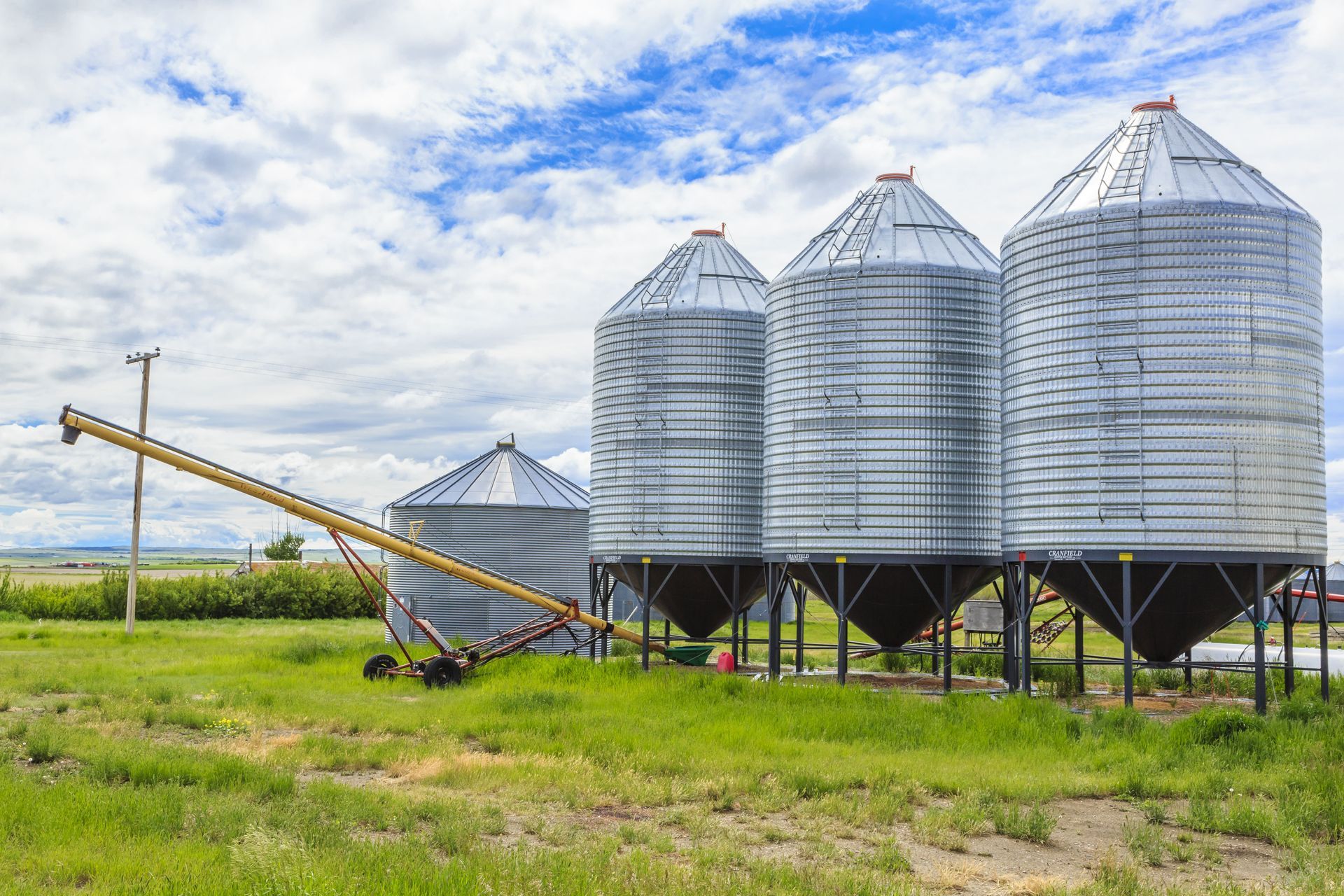
Grain storage is especially important for operations that handle substantial harvest volumes. Properly designed storage facilities can help farmers manage harvested grain, coordinate transportation, and maintain greater control over handling schedules. Storage decisions should account for the crops being produced, expected harvest volumes, ventilation requirements, and the equipment needed to load and unload materials safely.
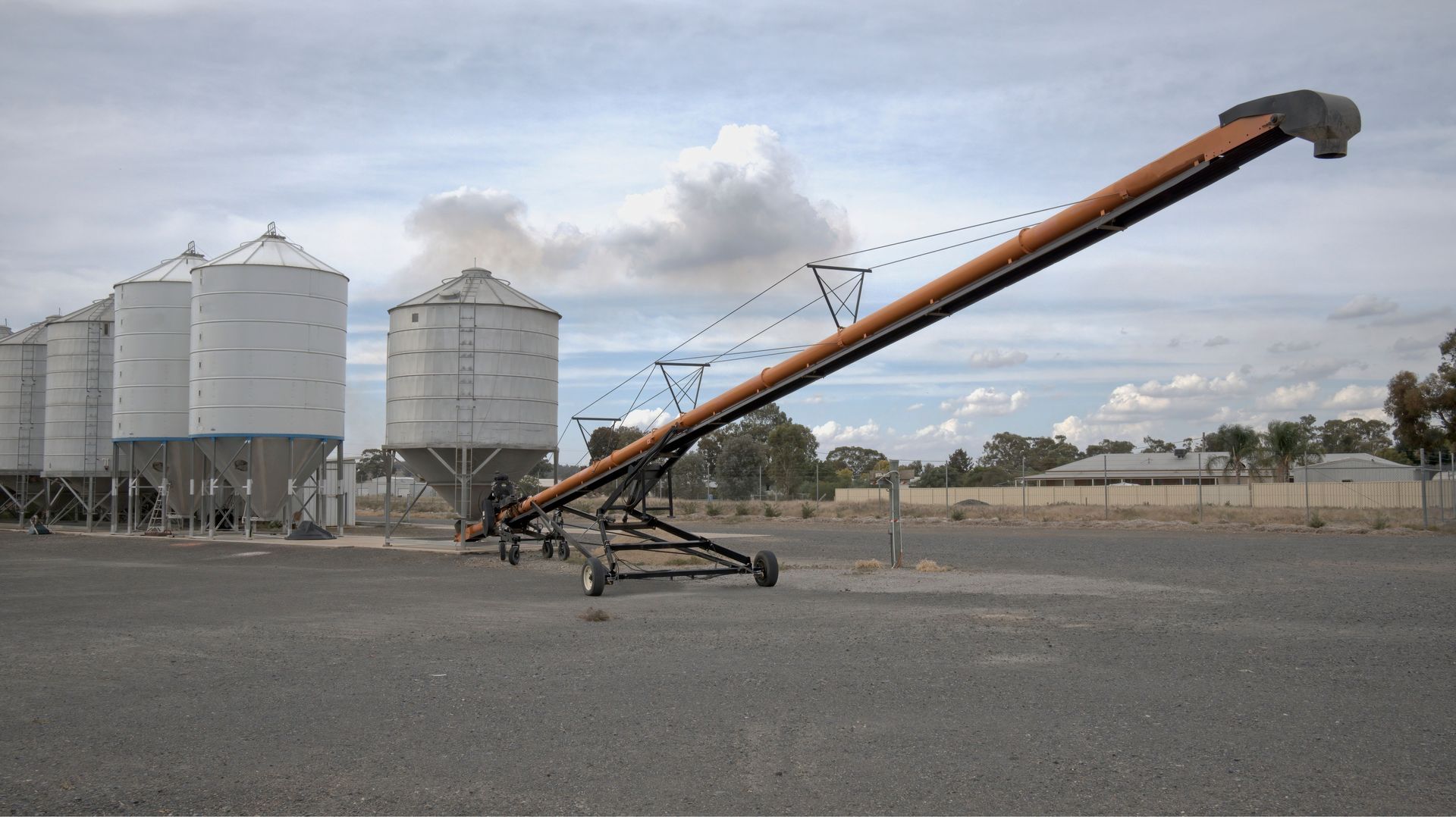
Upgrading material handling systems may also improve coordination between field operations and storage facilities. Conveyors, augers, unloading equipment, and appropriately sized storage structures can reduce bottlenecks when selected to work together. Farmers should evaluate capacity across the entire process to avoid investing in one component that exceeds the capabilities of the rest of the system.
Plan Upgrades Around Long-Term Costs
An equipment purchase should be evaluated according to its total cost of ownership rather than its initial price alone. Purchase expenses are only one consideration; fuel consumption, maintenance, repairs, insurance, financing, and expected resale value can also affect the investment. Comparing these factors across available options helps farmers understand the potential financial impact over time.
According to Forbes, the U.S. has approximately 1.9 million farms operated by around 3.37 million agricultural producers. This broad agricultural landscape highlights the range of operating conditions and financial considerations that can influence equipment decisions. Because individual farms have different production goals and available resources, an upgrade strategy should reflect the specific needs of each operation rather than follow a universal purchasing formula.
Farmers should also consider whether leasing, purchasing used machinery, repairing existing equipment, or buying new models best fits their circumstances. Each option involves different trade-offs related to upfront costs, reliability, flexibility, and maintenance responsibilities. Comparing financing terms and estimating realistic productivity gains can help prevent expensive commitments that do not support the operation's priorities.
A phased upgrade plan can make larger improvements more manageable. Addressing the most expensive bottlenecks first allows farmers to evaluate results before committing additional resources. Establishing clear performance measures, such as reduced downtime, lower operating expenses, or faster task completion, also makes it easier to determine whether an investment is producing meaningful value.
Improving productivity begins with understanding how every part of an agricultural operation contributes to daily performance. By evaluating machinery, prioritizing time-saving improvements, adopting suitable technology, maintaining existing assets, and strengthening storage capabilities, farmers can make more informed investment decisions. For operations seeking practical ways to improve efficiency, Midwest Grain Bins LLC can be a starting point for exploring grain storage solutions that support smoother material handling and more organized harvest management.

Share On: